Base
Choose a grain, potato, bread or other familiar foundation.
Guide · 2026
Oats, beans, vegetables, fruit and whole grains can bring texture, variety and digestive support to meals.
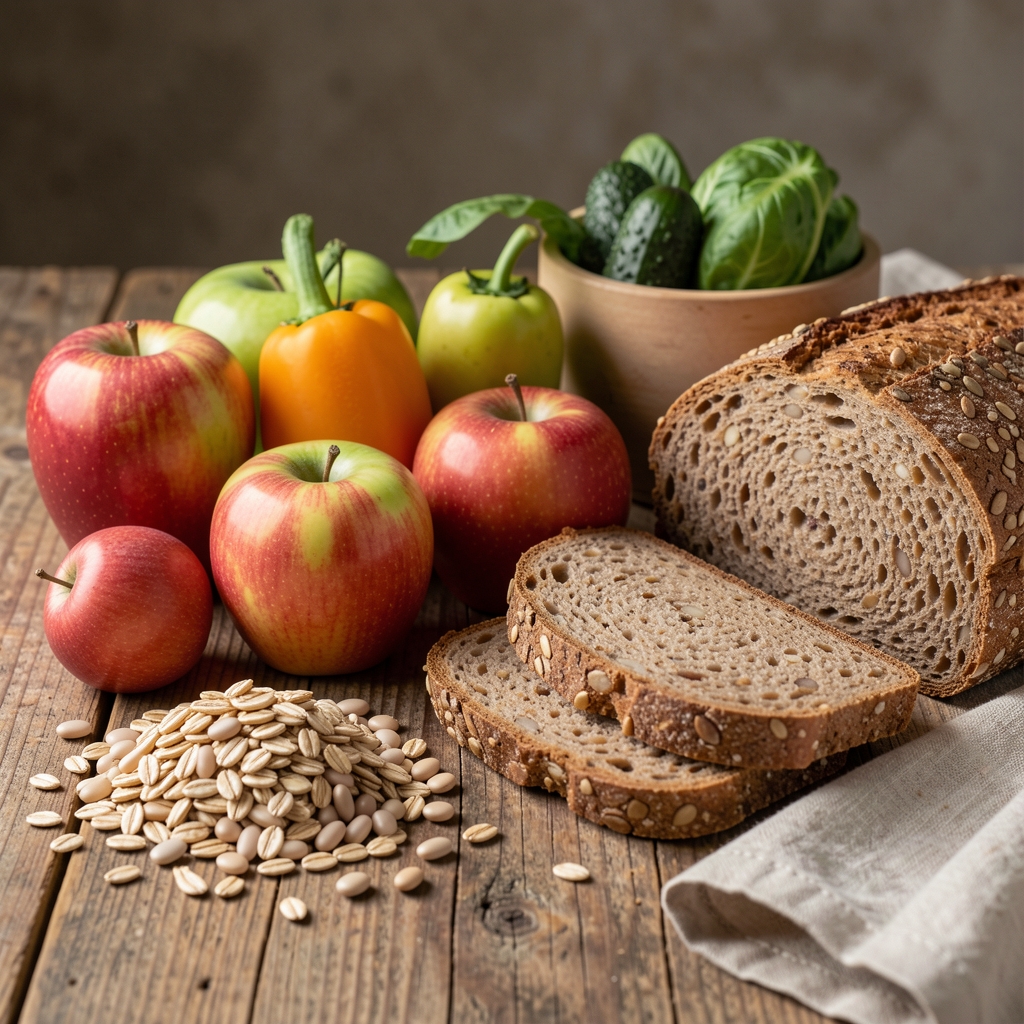
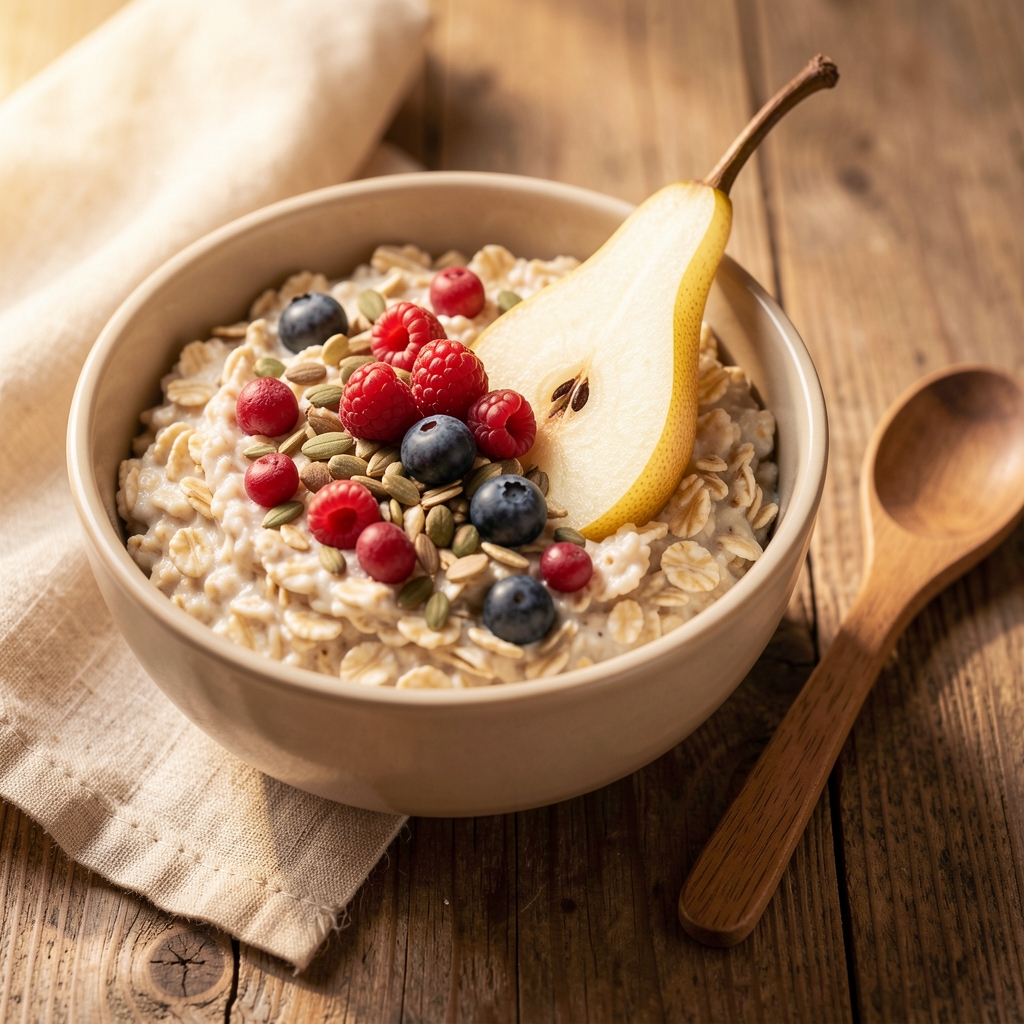
Adding fibre slowly and drinking enough fluid may feel more comfortable than changing everything at once. Tinned pulses, frozen vegetables and wholegrain staples can make the habit practical.
Persistent digestive symptoms, bleeding, pain or unexplained changes should be discussed with a GP.
| Source | Everyday idea |
|---|---|
| Oats | Breakfast or savoury porridge. |
| Pulses | Soup, curry, salad or spread. |
| Vegetables | Fresh, frozen or tinned with meals. |
See how fibre fits the balanced plate.
Read the plate guideA recipe can be a starting point rather than a fixed instruction. Ingredients, cooking equipment, allergies, culture and budget all influence how a dish is prepared. Reading the method carefully helps with timing, texture and food safety, while substitutions should be made with awareness of how they affect moisture, flavour and cooking time. Plenius favours practical notes over dramatic promises.
Choose a grain, potato, bread or other familiar foundation.
Add vegetables, fruit or herbs for texture and visual variety.
Use a satisfying protein or pulse and a sauce or dressing that suits the dish.
| Original element | Possible alternative | Check before changing |
|---|---|---|
| Fresh vegetables | Frozen or tinned vegetables | Drain, rinse and adjust cooking time. |
| Beans | Lentils or chickpeas | Texture and liquid may differ. |
| Wholegrain side | Potato, barley or brown rice | Use the method suited to the chosen grain. |
| Herbs | Spices or citrus | Flavour balance can change. |
“The most useful recipe is one that explains enough for a reader to make informed adjustments.”
Always account for allergies and follow professional advice where a prescribed diet is involved.
Often, but cooking time, pan size and liquid may need adjustment. Check the food rather than relying on arithmetic alone.
Note the change beside the ingredient so the method remains clear for the next preparation.
Good preparation includes checking allergies, reading storage instructions and allowing enough time for unfamiliar steps. A recipe can be simplified when the underlying method remains safe and the cook understands what is changing. Taste, texture and appearance are useful observations, but they should not replace food-safety guidance.
Questions about Plenius recipes can be sent to 78 High Street, Chelmsford, Essex CM1 1DE, United Kingdom, or by phone on +44 131 496 0743. The site does not provide individual dietary prescriptions.